
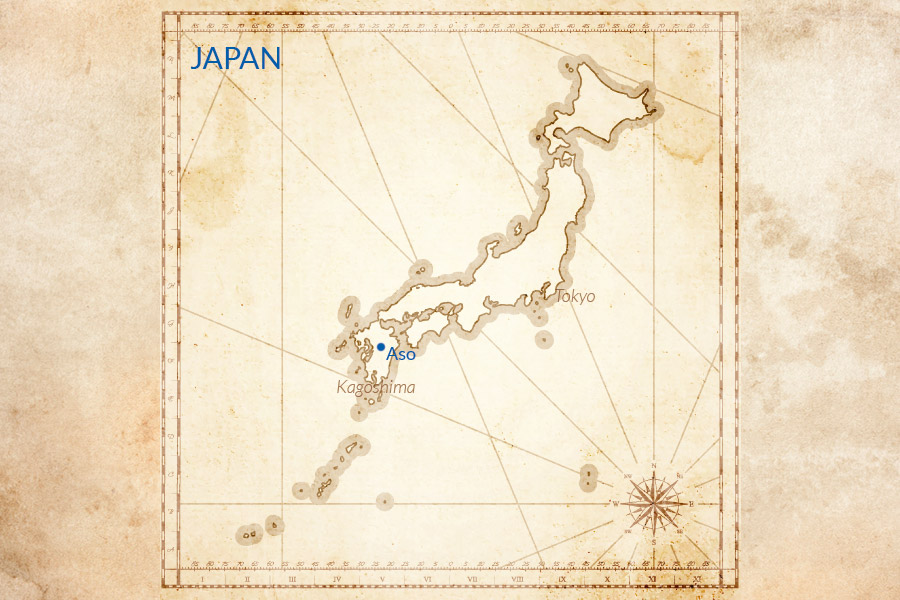
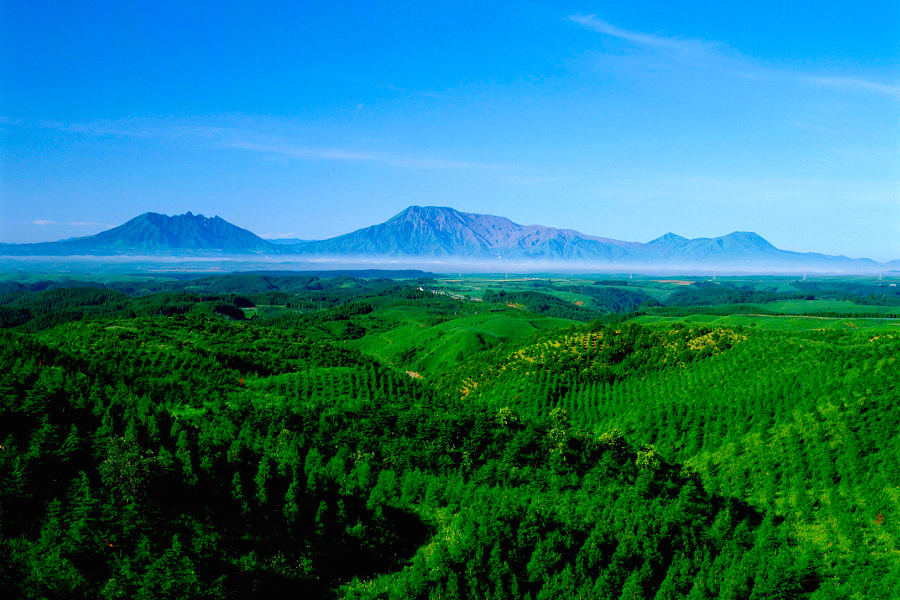
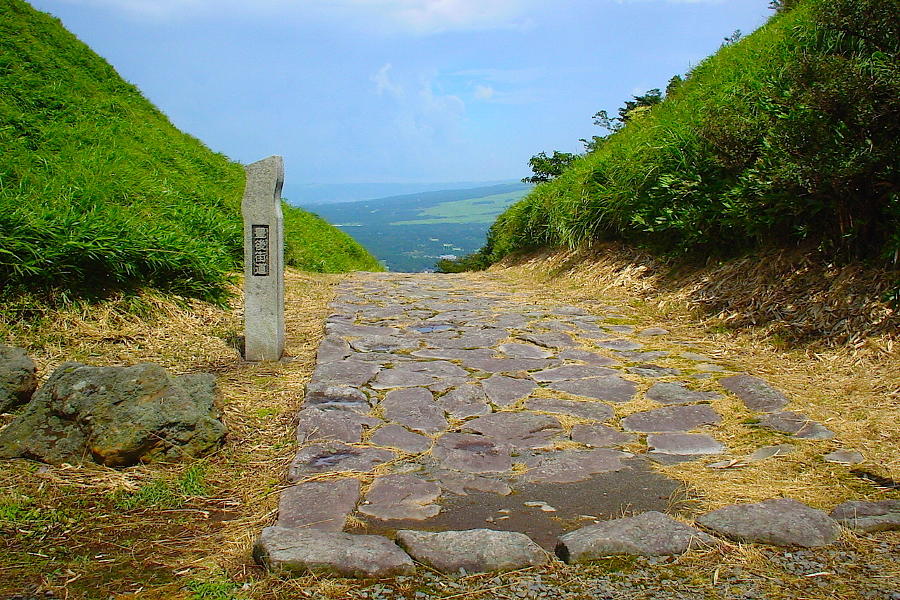
Meet your guide and fellow hikers at Kumamoto Station. From there, head to Aso City, located 90 minutes away. En-route to Aso city you walk the Futaenotouge Pass, an elevated mountain pass 683 meters (2240.81 feet) high. Futaenotouge Pass is a portion of the Bungo Circuit, a historic trail used by the feudal lords of the Kumamoto Domain to travel to Tokyo, in a practice known as sankin-kotai. You relive history and walk in the footsteps of the samurai as you trek the 1.6 kilometer (1 mile) long stone paved “Ishi-datami no Michi”, the longest of its kind in Japan. Afterwards, you gather for a lively dinner.
After breakfast, you depart for Aso Shrine. Along the way, you stop at the former girls' school, which was built in the early 20th century. The charm of this old building is underscored by the sounds of bubbling water on the premises, due to the prevalence of spring water in the area. Along the sando (the procession to Aso Shrine) are plenty of unique shops that offer an impressive variety of local products and delicious Japanese foods. Afterwards, you make your way to Kokuzo Shrine, marked by its impressive shinboku, a divine tree in which kami (spirits and deities) reside. You also visit the 6th century megalithic tombs of Kami-Mikura and Shimo-Mikura. Lunch at a local eatery, followed by an afternoon trek to Mount Kishima, one of Mount Aso’s Five Peaks, are the ingredients for a delightful afternoon in the countryside. From the summit, you enjoy unobstructed views of the caldera. Dinner and lodging at a local establishment.
Today, you walk from Nishinomiya Shrine to Minamiaso Village and Yasaka Shrine. The stone staircase of Yasaka Shrine and its torii, or gateway, are joined by the Megane Bridge, a famous arched stone bridge. From Yasaka Shrine you venture in the direction of Nishinomiya Shrine for a 90-minute walk. Among the kami worshipped at Nishinomiya Shrine, there are the daimyojin, the “great shining deities” of Aso, Kosa and Takaki. You enjoy lunch at a soba restaurant in Minamiaso Village, followed by a tour of nearby Takamori. You visit Hizenya, a craft shop famous for producing Marukichi Soy Sauce and miso. Then to a sampling tour at Reizan, an iconic sake maker of Kumamoto. Dinner and lodging at a local establishment.
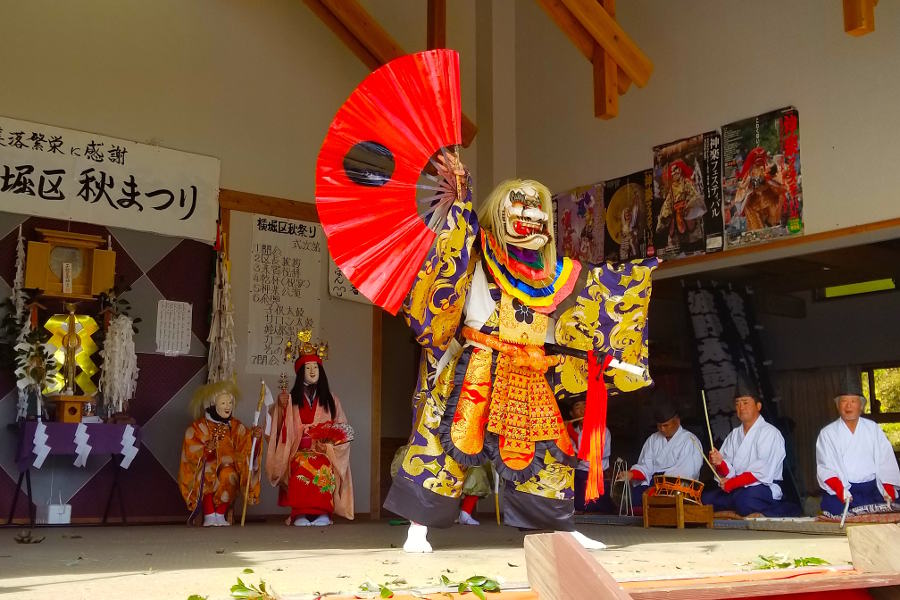
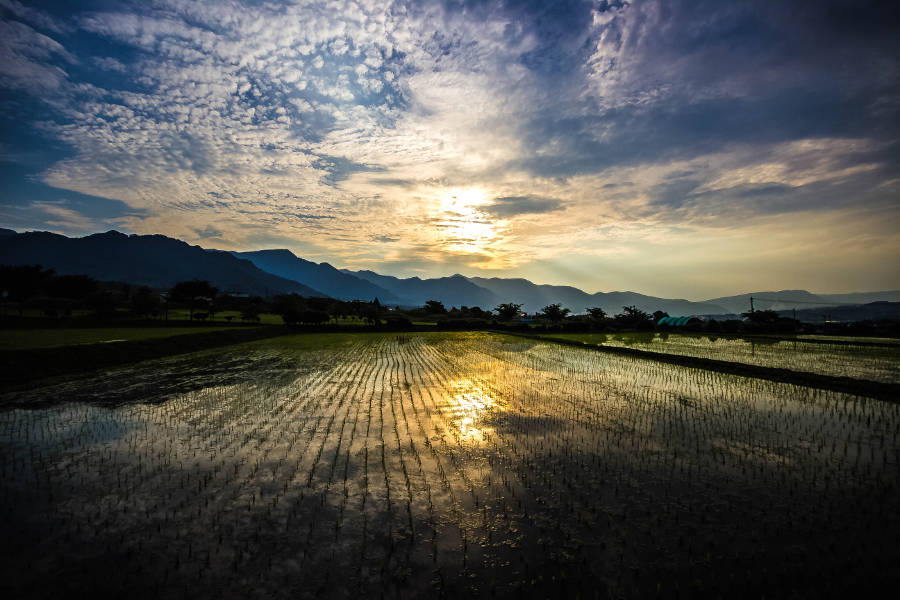
After breakfast, venture out to Ubuyama, a village located in the northeast portion of the Aso caldera. You first stop is Higotai Park, famed for its collection of flowers, especially its higotai that bloom in summer. From Higotai Park walk to Ogi Tanada, a picturesque rice terrace highly esteemed in Japan. After lunch, continue to explore Ubuyama’s natural attractions such as the Ikeyama Fountainhead. The Ikeyama Fountainhead has been chosen as one of the 100 exquisite and well-maintained in Japan. From Ikeyama Fountainhead trek to Ikeyama Farm, home of aka ushi, a breed of small wagyu beef cattle known for its red coat, tenderness and lack of excess fat. There will be ample opportunity to learn more about the breed at the farm. Afterwards, enjoy a performance of kagura at Namino Kaurgaen. Kagura is the oldest performance art of Japan. It vibrantly depicts tales of Japanese mythology. You may also explore the kagura-den, the building within a Shinto shrine where kagura is performed for kami (deities) during ceremonies. Following the kagura performance, you will recharge and rest your legs at a local establishment.
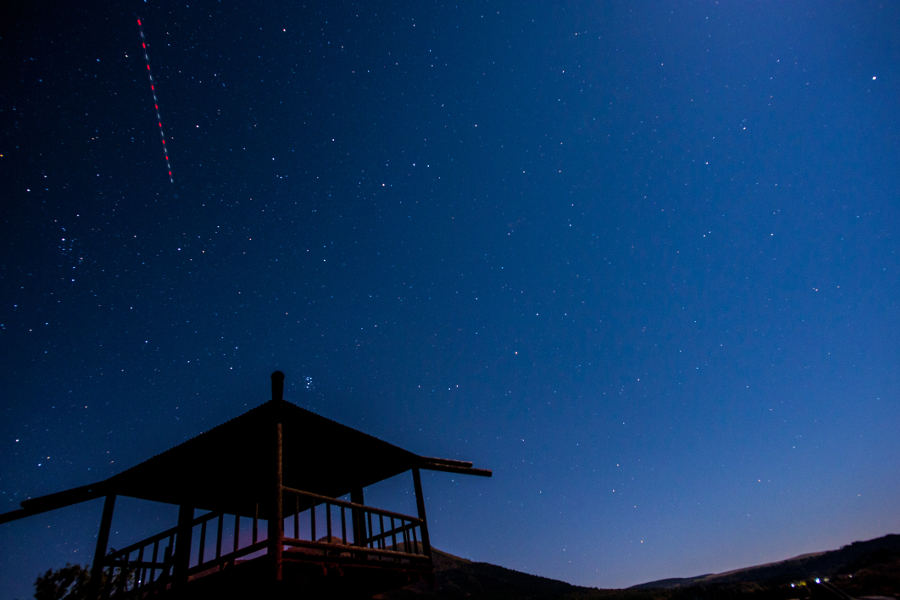
Today you experience the relaxing Japanese custom of bathing in an onsen, or hot spring. After breakfast, head to Tsuetate Onsen town, located in the mountains that straddle Kumamoto and Oita Prefectures. Steam dances between the Japanese inns and shops. The narrow back allies carry a nostalgic atmosphere and have been carefully maintained since the 1930’s. They are referred to as Sedoya, meaning “the house behind the other house.” Afterwards, you head to Waita Onsen village. With its collection of 6 hot springs located at the base of the 1,500-metre Mount Waita, it overlooks Kumamoto and Oita Prefectures. A visit to the town of Oguni, Horai Yoshimi Shrine and a trek to Nabegataki Falls follow lunch. Horai Yoshimi Shrine is distinguished by its 700-year-old towering twin cedars, while Nabegataki Falls boasts of a 20 metre (65.6 feet) wide curtain of cascading water. There is even a spacious area behind the falls. The final onsen of the day is Kurokawa Onsen, a village with an assortment of some 25 different hot springs and outdoor baths. Food stands, Japanese inns and shops line the streets, creating a charming atmosphere that is the perfect escape from urban life. After dinner you head for Hirano-Dai, also known as Lover’s Hill, to take in the starry skies and beautiful panoramic views of the Aso caldera. To the east of Lover's Hill are the Kuju Mountains; to its south lie Minamiaso.
In the last few days, you have experienced a side of Japan that is both genuine and authentic (words often abused but fitting in this instance). Hiking has given you the freedom to move and to explore: now the rest of Japan is at your doorstep, or perhaps the world.
Provide us with a few starting details about your travel plans, and one of our specialists will be in touch to give you suggestions and ideas.